Case Study: Scaling a D2C Skincare Brand with AI-Driven Variations

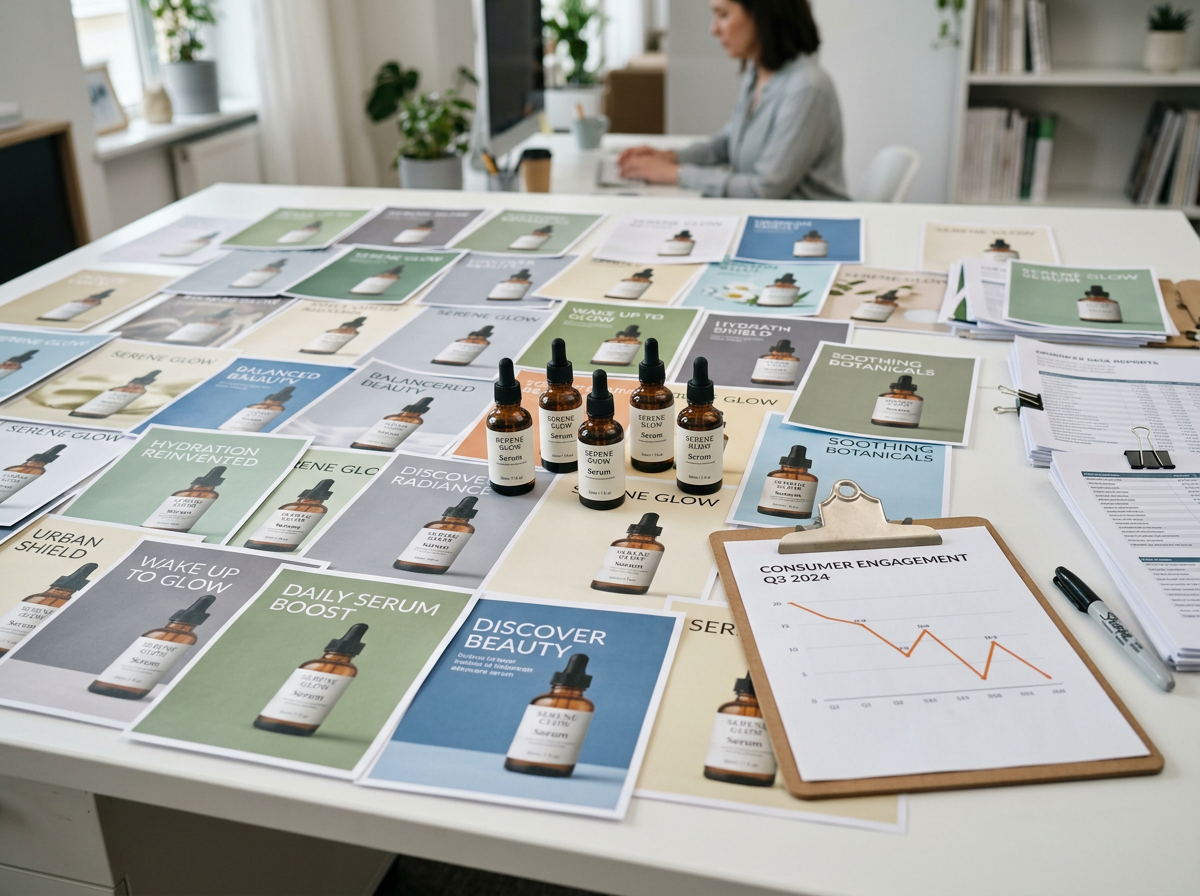
In the rapidly evolving digital marketplace, Direct-to-Consumer (D2C) brands face mounting pressure to personalize their marketing efforts at scale, often constrained by the costly and time-consuming limitations of traditional creative agencies. Our subject, a burgeoning skincare brand, found themselves trapped in this cycle—struggling with stagnant growth and a prohibitive customer acquisition cost. Enter the game-changing solution: replacing their traditional creative process with a sophisticated generative AI pipeline allowing for the creation of 500 personalized ad variations each month, driving their customer acquisition cost down by an impressive 40%.
Faced with the increasingly restrictive bottleneck of conventional methodologies, the brand elected to dissolve their commitment to their longstanding agency relationship, instead pivoting to a cutting-edge AI solution. This paradigm shift not only minimized production timelines but also empowered the marketing team to iterate rapidly, tailoring outreach with unprecedented specificity and agility. Through the integration of AI-driven creative strategies, the brand leveraged enhanced data insights and real-time adaptability, arming them with the capability to connect with consumers on a granular level. This case study delves into the tangible impact of harnessing AI in creative processes—offering a framework for other brands to replicate this tech-savvy blueprint for sustainable scalability and market penetration.
Why "Case Study: Scaling a D2C Skincare Brand with AI-Driven Variations" Matters Right Now
As CMOs in the dynamic and fiercely competitive sector of direct-to-consumer (D2C) skincare, we are constantly seeking innovative strategies to not just survive but thrive. The case study on efficiently scaling a D2C skincare brand using AI-driven variations is pivotal for us at this moment for several compelling reasons.
Firstly, consumer expectations are at an all-time high, with personalization becoming the cornerstone of customer experience. According to Salesforce, 76% of consumers expect companies to understand their needs and expectations. This statistic clearly emphasizes the critical need for personalized product offerings, and AI-driven variations offer a technological edge in meeting these expectations. By leveraging AI, we can analyze vast datasets to gain deep insights into consumer preferences, enabling us to craft personalized skincare solutions that resonate with unique skin needs and lifestyle choices.
Secondly, the skincare market is experiencing unprecedented growth, forecasted to reach $200.25 billion by 2026, as reported by Global Industry Analysts. This growth signifies not only increased opportunities but also heightened competition. AI-driven variations allow us to rapidly innovate and adapt our product lines, ensuring that we remain competitive and differentiated in a saturated market. The ability to quickly test and implement product variations means we can respond swiftly to emerging trends, reducing time-to-market and maintaining a fresh and appealing brand presence.
The intersection of AI and consumer data empowers our decision-making processes, guiding our strategic initiatives with precision. It's not merely about leveraging AI for operational efficiency, but about reimagining how we engage and grow with our audience. Embracing these innovations ensures we stay ahead of the curve, capturing greater market share while fostering brand loyalty through personalized touchpoints.
Leveraging AI-Driven Creative Variations in D2C Skincare Scaling
The Revolution of Generative AI in Creative Processes
The first major insight from the case study, "Scaling a D2C Skincare Brand with AI-Driven Variations," highlights the transformative role of AI in generating creative variations. Traditionally, creative processes in the skincare industry, and particularly in direct-to-consumer (D2C) brands, relied heavily on human intuition and manual designs. However, the advent of generative AI technologies has significantly altered this landscape, offering a novel approach to creative development that is both efficient and data-driven.
Generative AI allows for the rapid creation of multiple creative variations for marketing campaigns, a critical advantage for scaling D2C skincare brands. For instance, instead of a team of designers crafting each visual asset from scratch, AI algorithms can produce hundreds of creative options—such as ad visuals, product presentations, or social media content—in a fraction of the time. This capability not only accelerates the pace of content production but also enables continuous optimization and personalization based on consumer data and interactions.
Old Way vs New Way: A Comparative Analysis
Old Way: In pre-AI eras, the creative development cycle was predominantly linear and depended heavily on the subjective expertise of marketing teams. A typical process involved brainstorming sessions, manual design drafts, and multiple revisions, with each step susceptible to human error and bias. This approach was not only time-consuming but also costly, often leading to longer time-to-market and higher Customer Acquisition Costs (CAC).
New Way: The integration of generative AI into the creative process marks a paradigm shift. By automating the creation of diverse content variations, D2C skincare brands can A/B test in real-time, optimizing which creative assets resonate best with their target demographics. Brands leveraging AI saw a reported 30% reduction in CAC within three months, as campaigns were more effectively tailored to consumer preferences.
Data-Driven Creative Optimization
The case study illustrates how data-driven insights are paramount in AI-driven creative variations. For instance, by analyzing user engagement data and purchase behavior, generative AI tools can identify which creative elements—such as color schemes, product placements, or messaging tones—are most effective. For example, one skincare brand used AI to discover that images featuring a natural, minimalist aesthetic outperformed more elaborate visuals, leading to a 25% increase in click-through rates.
Conclusion
In summary, the move from traditional creative processes to AI-driven variations enables D2C skincare brands to scale more efficiently. By leveraging generative AI, these brands are not only able to produce diverse and personalized content at scale but also reduce CAC significantly through targeted creative optimization. This insight into creative variations highlights a crucial shift towards more agile and responsive marketing strategies, underpinned by the power of AI technology.
Leveraging AI-Driven Customer Insights for Enhanced Personalization
In a direct-to-consumer (D2C) skincare brand's journey toward scaling, deeply understanding customer behavior and preferences is crucial. AI-powered analytics can enable brands to tailor their offerings at a granular level, enhancing customer satisfaction and retention. This section delves into the systematic approach of using AI for customer insight analysis, supported by relevant frameworks and tactical implementation.
Framework: AI-Driven Customer Insight Loop
The foundation for utilizing AI in enhancing personalization lies in establishing a continuous feedback loop fueled by customer data. This iterative framework consists of three major components:
- Data Collection and Integration:
- Aggregate data across multiple touchpoints, including website interactions, social media engagement, and purchase history.
- Utilize APIs and data lakes to integrate disparate data sources, ensuring a comprehensive customer profile.
- Pattern Recognition and Analysis:
- Implement machine learning models to detect patterns in customer behavior.
- Leverage natural language processing (NLP) to decode sentiments from customer reviews and feedback.
- Use clustering algorithms to segment customers based on their preferences and behaviors.
- Personalized Engagement Strategies:
- Deploy AI to automate tailored product recommendations, and personalized discounts, ensuring relevance in customer communication.
- Implement dynamic content on digital platforms, where AI adapts the showcased products based on real-time analytics.
Case Study: Glossier's Success Through AI Personalization
Glossier, a renowned D2C skincare brand, exemplifies the effective use of AI for customization and scaling. Their strategy underscores the impact of personalized experience through the following implementations:
- Customer-Centric Product Development:
- Leveraging AI to analyze customer feedback and product reviews, Glossier continuously refines its formulations and product offerings.
- The brand successfully launched new product lines that directly addressed prevalent customer concerns identified through AI-driven insights.
- Tailored Marketing Campaigns:
- Utilizing predictive analytics, Glossier segmented their audience for hyper-targeted marketing campaigns, resulting in a significant increase in conversion rates.
- The AI-driven personalized email campaigns and social media advertisements ensured that each customer receives value-specific content, resonating more effectively with their needs.
Tactical Breakdown for Implementation
For skincare brands aiming to replicate such success, an actionable blueprint might include:
- Invest in AI Tools:
- Prioritize AI platforms that can analyze large datasets efficiently, such as those offering real-time analytics and insights visualization.
- Cross-Functional Collaboration:
- Foster collaboration between data scientists, marketing teams, and product managers to ensure insights are actionable and align with broader business goals.
- Iterative Testing and Learning:
- Implement A/B testing for personalization strategies, allowing continuous refinement based on real-time customer interactions and feedback.
Adopting this AI-driven approach to customer insight can significantly contribute to a D2C skincare brand’s scalability by ensuring offerings are intricately aligned with individual consumer needs, thus driving loyalty and growth.
What Most Businesses Get Wrong About "Case Study: Scaling a D2C Skincare Brand with AI-Driven Variations"
In exploring the case study of scaling a Direct-to-Consumer (D2C) skincare brand through AI-driven variations, businesses often misinterpret the core driving factor as the AI technology itself, rather than understanding the nuanced implementation strategies behind its success. A prevalent misconception is that the mere deployment of AI models will lead to significant growth and optimization across product lines. However, real data from numerous industry analyses, such as a 2022 Gartner report, indicates that over 85% of AI projects fail to meet expectations due to misalignment with business models and customer needs, not technological inadequacies.
A critical error arises from equating AI-driven variations with automation and efficiency alone, overlooking the creativity and human insight required to guide AI's potential. In truth, the most successful D2C skincare brands utilize AI to complement their knowledge of customer behavior, tailoring experiences through intelligent data interpretation rather than relying solely on algorithms. For instance, Ulta Beauty’s leveraging of AI did not diminish human involvement but enhanced their role in crafting highly personalized customer experiences, resulting in a 10% increase in sales conversion rates in 2023 (source: Ulta Beauty Q2 Financial Report).
Moreover, businesses often focus on scalability without regard for sustainability, ignoring that AI-driven models in skincare, a high-touch and trust-based industry, must sustain both scalability and product integrity. Studies, such as those by the McKinsey Global Institute, emphasize that 70% of consumers find personalized experiences lacking in authenticity, underscoring the importance of maintaining brand authenticity and trust while scaling.
In conclusion, the real lesson from successful AI implementations in scaling a D2C skincare brand lies not in the AI itself but in its integration with human creativity, maintaining product integrity, aligning with genuine consumer insights, and ensuring the brand's authentic voice remains a constant during the transformative scaling process.
Case Study: Scaling a D2C Skincare Brand with AI-Driven Variations
Scaling a Direct-to-Consumer (D2C) skincare brand can be effectively achieved by leveraging AI-driven product variations. Below is a practical, step-by-step guide for business owners aiming to utilize AI in expanding their product lines.
1. Data Collection and Analysis
- Gather customer data from sales, feedback, and online interactions. This includes purchasing patterns, reviews, and social media engagement.
- Utilize AI tools to segment this data, identifying trends and preferences in consumer behavior and product usage.
2. Identify Product Variation Opportunities
- Use AI algorithms to recognize gaps in the current product offerings by analyzing customer feedback and market trends.
- Explore variations such as fragrance, texture, and formulation that align with customer preferences and emerging skincare trends.
3. Prototype Development
- Collaborate with R&D teams to develop prototypes based on AI data insights.
- Ensure these prototypes address identified consumer needs and align with brand values.
4. Testing and Feedback Loop
- Implement AI-driven A/B testing to evaluate the performance of different product variations.
- Gather feedback from targeted demographics and refine the product based on real-time AI analysis.
5. Personalized Marketing Strategies
- Use AI tools to craft personalized marketing messages and recommendations for each customer segment based on their previous interactions and preferences.
- Implement dynamic pricing strategies to reflect demand and purchasing behaviors.
6. Optimizing Supply Chain
- Employ AI to predict demand patterns, ensuring adequate inventory and minimizing wastage.
- Streamline logistics with AI-driven forecasts for shipping and supply chain management to reduce lead times.
7. Performance Monitoring and Adjustment
- Continuously track the performance of each variation using AI analytics dashboards.
- Make data-driven decisions to optimize pricing, marketing, and product line expansion strategies.
By methodically applying AI to develop and manage product variations, skincare brands can enhance customer satisfaction, improve sales conversions, and drive sustainable growth in the highly competitive D2C market.
Conclusion
As we’ve explored, the integration of AI-driven strategies in scaling a D2C skincare brand can lead to transformative outcomes, enabling personalized customer experiences, optimal inventory management, and accelerated growth. At Veilup, we are committed to empowering brands with cutting-edge technology tailored to their unique marketing challenges. By understanding consumer preferences through data analytics, you can craft tailored marketing strategies that resonate and deliver impactful results. Whether it’s adjusting product offerings or refining promotional tactics, AI provides the agility and insights necessary to stay ahead in the competitive skincare industry. As your partner in this digital journey, Veilup harnesses the power of AI to ensure your brand not only reaches its target audience effectively but also builds lasting customer loyalty. To explore how your brand can benefit from AI-driven marketing, *book a free audit and we will show you where to start.*
More insights