Micro-Influencer Strategy for Beauty Brands in 2026: What Actually Works

A celebrity with 2 million followers posts your moisturizer and generates 15,000 likes and a brief traffic spike. A micro-influencer with 28,000 engaged followers posts the same moisturizer and generates a 48-hour sellout. This isn't a hypothetical — it's what beauty brands are experiencing repeatedly in 2026 as the performance gap between macro and micro influencer content widens. Micro-influencer content (creators with 10K–100K followers) generates 60% higher engagement rates and 3–5x higher conversion rates than macro-influencer content for beauty products, at a fraction of the cost.
The math is simple. Micro-influencers have tighter audiences with genuine interest alignment. Their followers trust their recommendations because the creator hasn't diluted that trust with dozens of brand deals. And in the skincare category specifically, where trust and personal relevance are the primary purchase drivers, authentic recommendation from a relatable person outperforms aspirational endorsement from a celebrity.
The Problem: Most Beauty Brands Run Micro-Influencer Programs Reactively
The typical micro-influencer program looks like this: PR manager sends product to creators when there's inventory to spare, waits for posts to appear, reposts the content if it looks good, and repeats. This is content harvesting, not a program. A real micro-influencer program is a structured system with defined creator tiers, clear deliverables, consistent seeding cadence, and tracked performance metrics. The difference in output between ad-hoc outreach and systematic programs is 5–10x in both content volume and conversion performance.
The other missing piece is creator relationship development. Brands that treat micro-influencers as a one-post transaction miss the compounding value of a creator who uses your product consistently and posts about it organically over months. Their audience watches the journey — early skepticism, first use, visible results, full conversion to loyal user. That content arc is worth more than any single sponsored post.
What a Real Micro-Influencer Program Looks Like
Effective programs have three tiers. Tier one is your core roster: 10–15 creators with proven audience alignment, existing relationship with your brand, and willingness to create content regularly. These creators receive monthly product, have first access to new launches, and may receive a small usage fee or affiliate commission. They're your always-on content engine.
Tier two is your seeding pool: 30–50 creators who've received product but don't have formal arrangements. You monitor their content, engage with it, and identify which ones are driving real audience response. The best performers from this pool graduate into tier one.
Tier three is campaign activation: a broader network of 50–100 creators activated for specific launches or campaigns, gifted product with a clear brief, and tracked for both content output and sales impact via unique discount codes or affiliate links. Brands running structured three-tier programs generate 15–20x more content per month than those with unstructured outreach at the same gifting budget.
5 Tactics That Separate High-Performing Micro-Influencer Programs
1. Prioritize Engagement Rate Over Follower Count: A creator with 15,000 followers and an 8% engagement rate will outperform a creator with 80,000 followers and a 1.2% engagement rate for skincare brands almost every time. Use tools like Modash, Heepsy, or even manual engagement checks to audit creator quality before seeding. The metric to track is not size — it's how much the audience trusts the creator's recommendations. Creators with engagement rates above 4% consistently outperform lower-engagement creators by 3–4x on affiliate conversion.
2. Find Creators Who Have a Skin Story: The most effective micro-influencers for skincare brands aren't the ones with perfect skin — they're the ones with a real skin journey. Creators who've struggled with acne, hyperpigmentation, rosacea, or sensitivity and talk about it openly have built audiences of people with the same concerns. Their recommendation isn't just "I like this product" — it's "this worked for the exact thing you're dealing with." That specificity drives conversion. Skin-story creators produce 4–5x higher purchase intent scores than lifestyle creators recommending the same product.
3. Brief for Authenticity, Not Compliance: The brief should tell creators what outcome you want the audience to understand, not how to say it. "Show us your real skin texture on camera and explain what changed after 3 weeks with our retinol" produces better content than "make a video saying our retinol reduces fine lines." Give creators the facts they need, the key claims to hit, and then get out of their way. Over-scripted content always reads as paid regardless of the creator's skill level.
4. Track Sales Impact, Not Just Impressions: Give every micro-influencer a unique discount code or affiliate link. Track conversion by creator. You'll quickly learn that 20% of your creators drive 80% of your sales — these are the creators to invest in deeply. The top-performing 20% of micro-influencers in beauty programs generate 4–6x more revenue per post than the median creator in the same program. Identify them early and build the relationship accordingly.
5. Treat Long-Term Creators as Brand Partners: The compounding value of a creator who genuinely loves your product and talks about it across multiple posts, stories, and videos over 6–12 months is enormous. Their audience watches the relationship develop. Early content from these creators — the first use, the skepticism, the early results — becomes some of your most valuable organic content. Invest in this relationship with free product, early access, genuine engagement with their content, and eventually paid partnership for your most valuable creators.
What to Build First
Start by identifying your top 10 existing customer micro-influencers. Search your customer list for anyone with significant social followings in your target niche. These are your warmest possible partnerships — people who already bought your product, presumably like it, and have audiences with overlapping interests. Reach out personally, offer free product in exchange for honest content, and build your core roster from there.
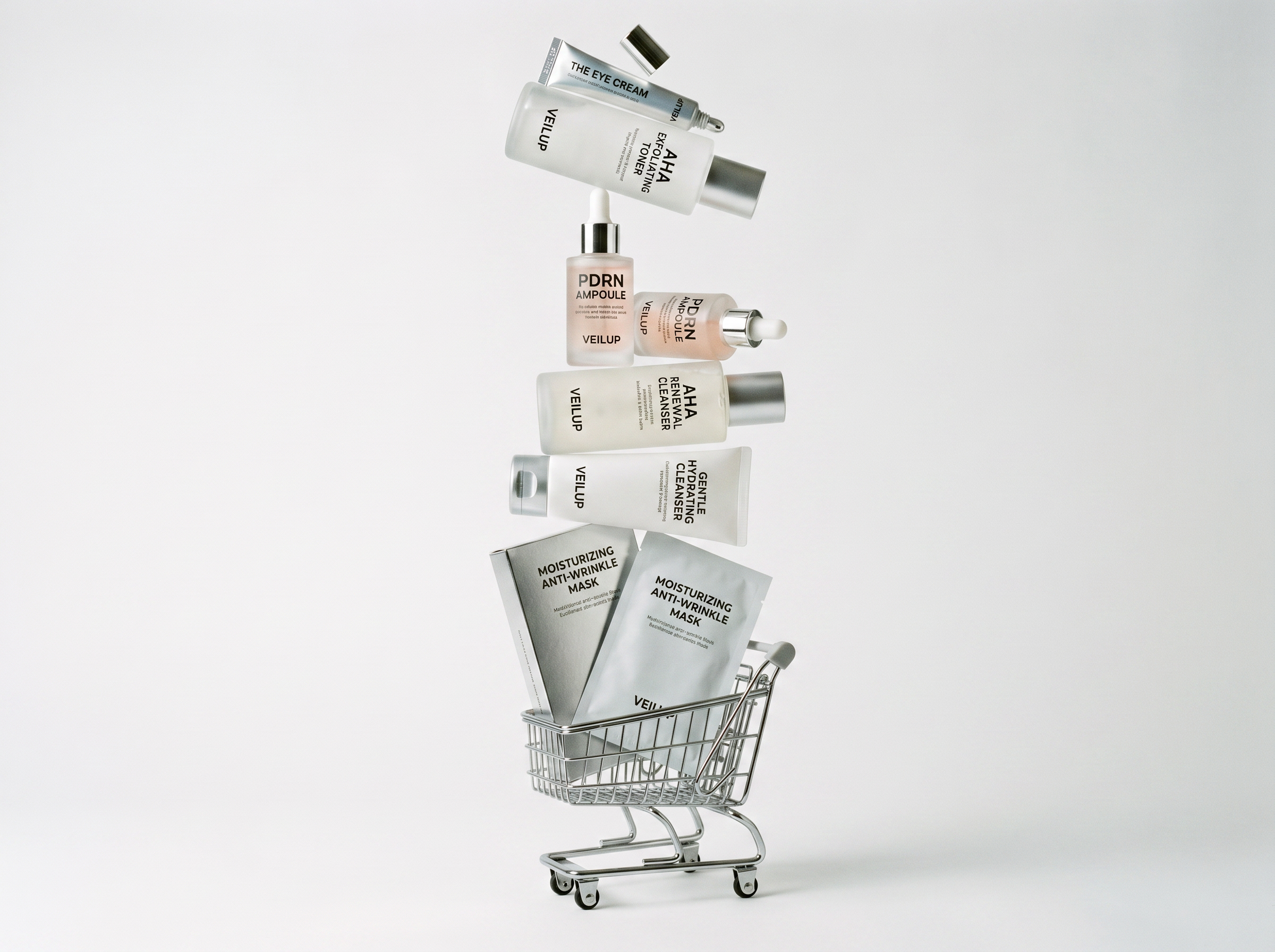
At Veilup, we help cosmetics and skincare brands build systematic micro-influencer programs — from creator identification and tiering to briefing, tracking, and scaling. If your brand is ready to build a creator program that compounds, the infrastructure is already here.
More insights