Why Before/After Content Still Dominates Beauty Ads (And How to Do It Right)

Marketers have been predicting the death of before/after content for years. Too simple. Too manipulative. Too 2018. And yet, in 2026, before/after creative remains the highest-converting ad format in the skincare category across Meta, TikTok, and YouTube. Before/after ads in beauty consistently outperform comparison ads, testimonial ads, and ingredient-led ads by 40–60% in conversion rate for problem-solving skincare products. The reason isn't that audiences are naive — it's that transformation evidence answers the only question that actually matters: will this work for me?
The skincare consumer's primary objection is not price, not ingredients, not brand trust. It's results skepticism. "This sounds good but I've tried everything and nothing works." Before/after content directly addresses that objection with visual evidence rather than claims. No copy can outperform a well-documented skin transformation because no copy can show what skin looks like.
The Problem: Most Before/After Content Isn't Actually Persuasive
The version of before/after content that doesn't work is the version most brands produce: studio-lit "before" that barely looks like a problem, immediately followed by a glowing "after" that looks like a different person under completely different lighting. Audiences have become extremely sophisticated at spotting manipulated before/after content — and when they detect inauthenticity, the trust damage is worse than if you'd never shown a before/after at all. It confirms their suspicion that beauty brands are not to be trusted.
The version that works is the opposite: authentic, slightly unflattering before that accurately represents the skin concern, clear progression across multiple time points if possible, consistent lighting across both images, and narration or context that explains what changed and why. The authenticity of the before is more important than the impressiveness of the after.
What Makes Before/After Content Actually Convert
Three things determine whether before/after content builds trust or destroys it. First, the before needs to be real. If the "before" looks like a model having a slightly off day, it doesn't represent the customer's reality and they don't feel seen. The before needs to show the actual skin concern — texture, discoloration, breakouts, dryness — in honest lighting. This is uncomfortable for brands, but discomfort in the before is what makes the after credible.
Second, the timeframe needs to be specific and believable. "Amazing results in 2 weeks" is not believable for most skincare actives. "Visible improvement in 4 weeks, best results at 8 weeks" is credible because it aligns with how actives actually work. Overclaiming on timeline creates skepticism that undoes the work of the visual evidence.
Third, the presenter (when there is one) needs to be relatable to the target customer. A 28-year-old with mild acne showing their results speaks to the 28-year-old with mild acne. A 45-year-old showing the effects of a retinol protocol speaks to the 45-year-old considering retinol. Audience representation in before/after content is a conversion variable that brands frequently underoptimize.
5 Formats for Before/After Content That Convert in 2026
1. The Creator Journey Series: A creator documents their skin over 30–60 days, posting multiple times throughout the process — week 1 reactions, week 2 observations, week 4 results. This format creates a genuine timeline of evidence that audiences trust far more than a single before/after image. Journey-format before/after content generates 4–6x more saves and shares than single-post before/after because the audience follows the story rather than encountering a conclusion. Saves indicate the audience wants to come back to the content — which is a strong purchase intent signal on TikTok.
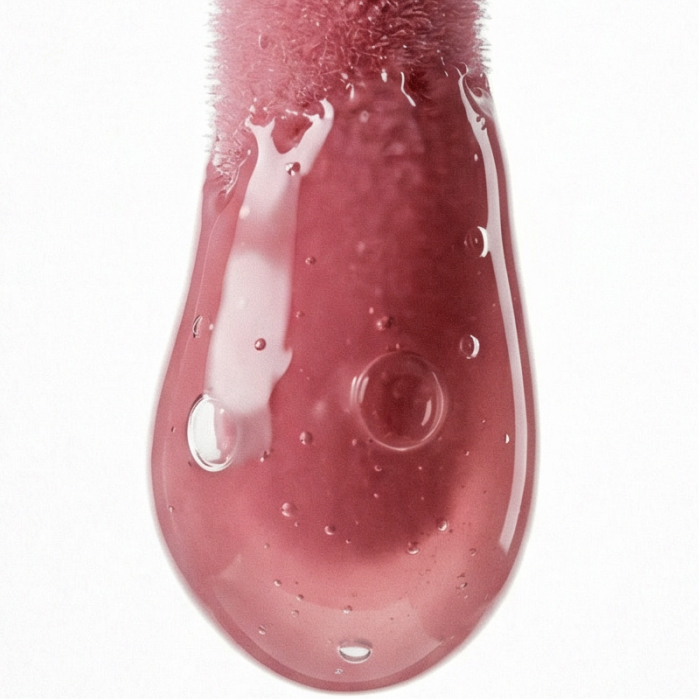
2. The Texture Close-Up: Macro photography or macro video of skin texture before and after use, without a face present. This format removes the relatable-person variable and focuses entirely on the product's visible impact on skin surface. For products that address texture, pores, or hydration, this format is extremely credible and outperforms full-face before/after because the evidence is physical and immediate. Texture-focused before/after content in the skincare category achieves 25–35% higher engagement rates than full-face before/after because the focus is specific and the change is immediately visible.
3. The Skeptic Testimonial: Creator format where the presenter opens by expressing skepticism ("I've tried every acne treatment and nothing works, so I tried this with low expectations") and the after is framed as surprised validation rather than expected success. This mirrors the customer's own internal narrative — they're also skeptical. The skeptic-to-believer arc is the most trustworthy transformation narrative because it acknowledges the doubt the customer already has. Skeptic-framed testimonials convert at 30–45% higher rates than confident-recommendation testimonials for repeat-purchase skincare categories.
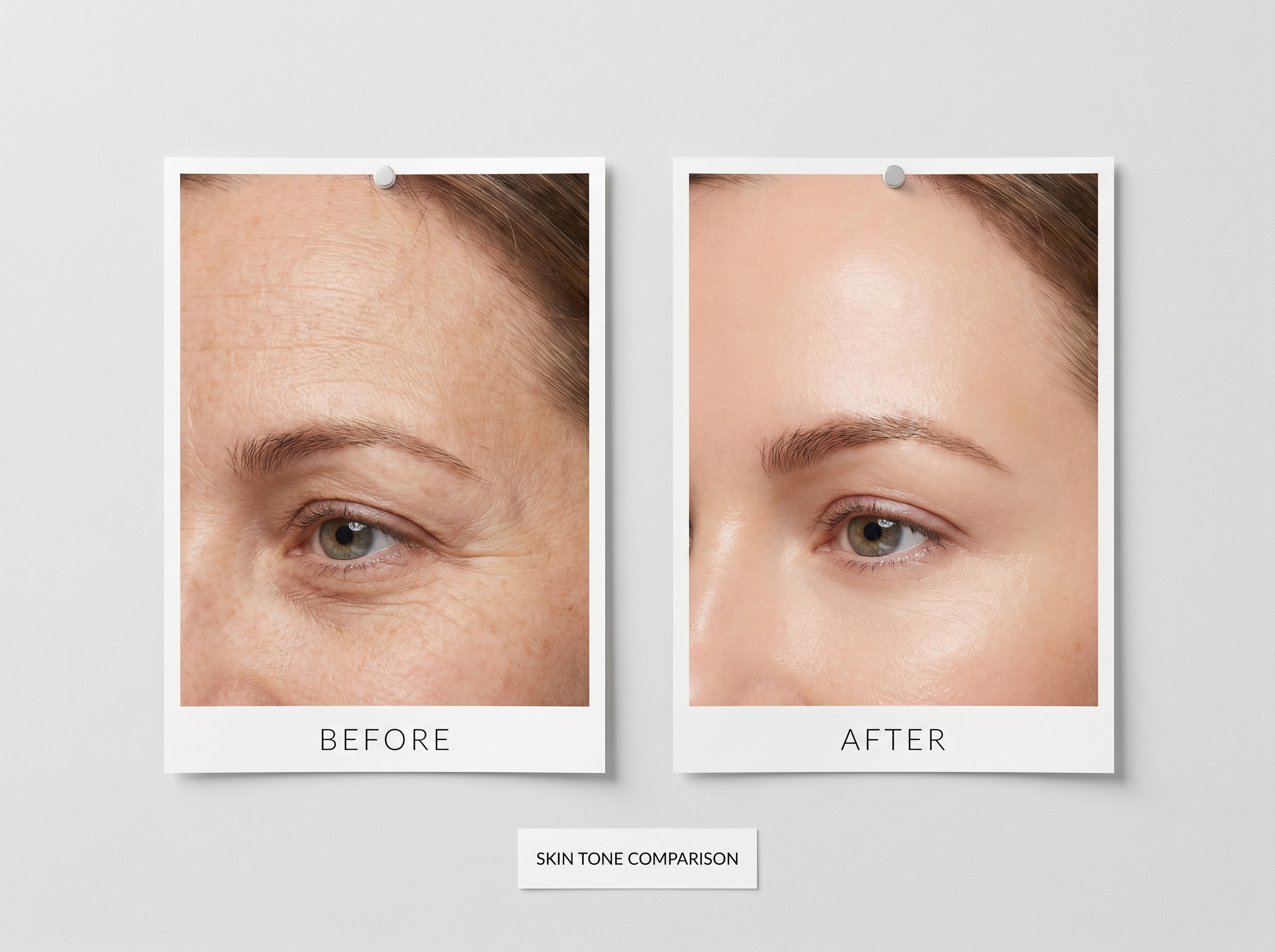
4. The Side-by-Side at the Same Time: Rather than before/after with a time gap, show the same skin with and without the product applied — demonstrating immediate effects of hydration, blur, or glow. This format is particularly powerful for serums and moisturizers because the immediate effect is visible and the customer can imagine the same thing happening on their own skin. Immediate-effect side-by-side content drives 50% higher add-to-cart rates for instant-effect skincare products compared to long-term transformation content.
5. The Documentation Ad: A creator creates a video diary specifically for ad use — filming themselves on day 1, day 7, day 14, and day 28 with the same setup (lighting, angle, distance), then editing the footage into a side-by-side progression. This format reads as authentic self-documentation rather than professional production. Self-documented before/after ads outperform professionally produced before/after ads by 2–3x in CTR for cold audiences because they look earned rather than staged.
What to Build First
Identify your three customers with the most dramatic, authentic, real skin transformation stories. Reach out to them personally. Ask if they'd be willing to create a before/after content piece — offer them meaningful compensation. Real customer transformation stories, documented authentically, are the highest-converting creative assets in your library. Find three, test them, and build your content strategy around the winner.
At Veilup, we help cosmetics and skincare brands produce, test, and scale before/after content programs — from creator sourcing to ad creative testing and paid amplification. If your brand needs transformation evidence that audiences actually believe, the expertise to create it is already here.
More insights